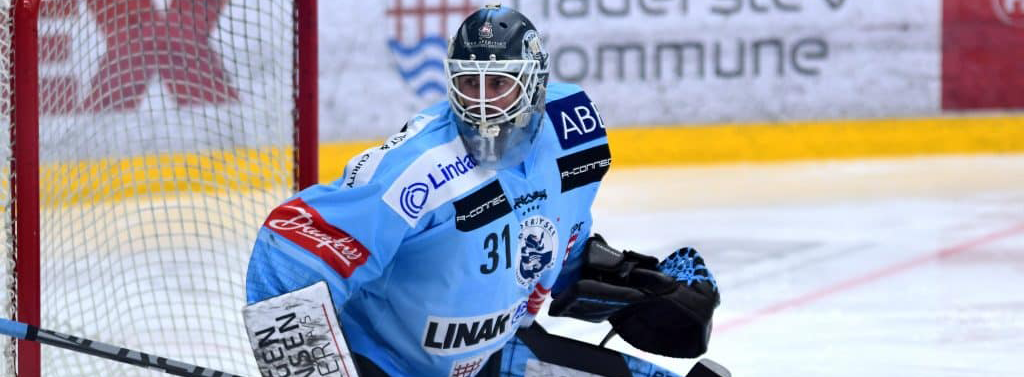

We all know the feeling: a forward winds up for a shot, a defenseman slides across your sightline, and for a split second, the puck vanishes. The next thing you know, the red light is on. These moments are frustrating, but they aren't just bad luck—they're often the result of a visual system that isn't trained for the speed of the game. While you spend hours perfecting your butterfly and T-pushes, the most critical skill might be getting overlooked. This article breaks down exactly how to improve a goalie's vision, providing actionable drills and strategies to help you track pucks through chaos and turn game-changing shots into routine saves.
Key Takeaways
- Treat Vision Like a Muscle: Your ability to track the puck isn't fixed. By consistently practicing specific drills, you can train your eyes and brain to process the game faster, leading to quicker reactions and more confident saves.
- Combine Drills with the Right Tools: Build a strong foundation with off-ice exercises like juggling and ball tracking, then add specialized gear to simulate game pressure. This combination helps turn your training into instinctive on-ice performance.
- Fuel and Rest Your Eyes: Your training doesn't stop on the ice. Support your visual system with a diet rich in eye-healthy nutrients, proper hydration, and adequate sleep to ensure your eyes can recover and perform at their best.
See the Puck, Stop the Puck: Why Vision is Key for Goalies
Being a great goalie is about more than just quick reflexes and a good glove hand. It’s about seeing the play develop, tracking the puck through traffic, and anticipating the shot before it even leaves the stick. Your eyes lead the way, telling your body where to be and when. The best goalies in the world know that their vision is a trainable skill, just as important as their skating or positioning. By dedicating time to vision training, you can sharpen the skills that turn good saves into game-changing ones. It’s not about having perfect 20/20 vision; it’s about how efficiently your brain processes what your eyes see.
How Your Brain Processes the Game
Think of your eyes as high-speed cameras, but your brain is the supercomputer that makes sense of all the footage. For a goalie, this process has to happen in a split second. When you see a player wind up for a shot, your brain instantly calculates speed, trajectory, and potential deflections. This is why you see pro goalies doing specific eye exercises before games. According to The Athletic, these drills aren't just for show; they warm up the neural pathways between the eyes and the brain, helping them track the puck with intense focus from the moment it drops. It’s a pre-game stretch for your most important goaltending tool.
The Must-Have Visual Skills for Success
To succeed in the crease, you need a specific set of visual skills that go far beyond simply reading an eye chart. Tracking a small, fast-moving puck requires elite dynamic visual acuity—the ability to see objects clearly while they are in motion. This is what allows you to stay locked on the puck through screens and across the zone. As a study on NHL goalies found, "Vision training helps goalies focus better and react faster, leading to more saves." Sharpening skills like depth perception, focus flexibility, and peripheral awareness gives you the data you need to react with speed and precision, turning tough shots into routine stops.
Common Vision Hurdles on the Ice
The game is faster than ever, and the challenges for a goalie’s vision are constant. You’re dealing with screens that block your sightline, tips that change a puck’s path instantly, and cross-ice passes that force you to reset your focus in a fraction of a second. These are the moments where elite vision separates the good from the great. Top-tier goalies have embraced this challenge. As NHL.com reports, many now treat their eyes like any other muscle in their body—something that needs to be consistently trained and strengthened. Our entire approach at Swivel Vision is built on this idea that you can systematically train your visual system to overcome these hurdles.
Build Your Foundation: Essential Vision Drills
Before you can make the big save, you need to build a solid visual foundation. Think of these drills as the strength and conditioning for your eyes. They’re simple, effective, and can be done almost anywhere. By consistently practicing these fundamentals, you’ll train your eyes to be quicker, sharper, and more reliable when you’re in the crease. These exercises are designed to isolate and improve the core visual skills every elite goalie needs. Let's get started.
Master Eye Movement and Tracking
This is all about teaching your eyes to follow the puck with speed and precision. As one report on NHL goalies noted, many do special eye exercises before games, like "darting their eyes back and forth, focusing on their thumbs, or bouncing a ball against a wall" to warm up their eyes. You can do the same. A simple drill is the "ball toss." Stand a few feet from a wall and toss a tennis ball against it, following it with only your eyes. This trains your eyes to track moving objects without excessive head movement, a key skill for staying square to the shooter.
Sharpen Your Hand-Eye Coordination
Great goalies make saves look easy because their hands and eyes work in perfect sync. A fantastic off-ice drill to improve this connection is juggling. Former NHL goalie Braden Holtby was known to juggle tennis balls to practice tracking without moving his head. Start with one ball, then move to two or three as you get comfortable. This simple exercise forces your eyes to process information quickly and sends the right signals to your hands. Improving your hand-eye coordination this way translates directly to snagging pucks out of the air and controlling rebounds.
Expand Your Peripheral Awareness
What you see out of the corner of your eye is just as important as what’s right in front of you. Strong peripheral vision, or "split vision," helps you spot open opponents for a potential pass or see a player crashing the net. One source notes that good split vision helps players "see open teammates for passes, spot opponents coming to challenge them, [and] avoid crashing into others." To train this, try the "sticky note" drill. Place sticky notes on a wall to your left and right. Stare at a point directly in front of you and try to read what’s on the notes without moving your eyes.
Strengthen Your Focus
The game gets chaotic, especially with players screening you. Your ability to maintain focus on the puck through traffic is a game-changer. As NHL.com explains, new training methods help goalies "see the fast-moving puck better, especially when there are many players blocking their view." You can work on this by using drills that introduce distractions. For example, have a friend stand between you and a wall while you do the ball toss drill. This forces you to find the ball through a visual obstruction, mimicking what you experience on the ice. This kind of concentration training is essential for high-pressure situations.
Level Up Your Training: Advanced Vision Drills
Once you have a solid foundation, it’s time to advance your visual skills. These exercises challenge your brain and eyes in new ways, simulating the high-speed environment of a real game. Adding them to your training helps you develop the elite visual processing that defines top-tier goalies.
Add Juggling to Your Routine
Juggling is a powerful tool for goalies. It trains your eyes to track objects without excessive head movement, helping you maintain a stable head position through traffic. Professional goalies use this technique to sharpen their focus and hand-eye coordination. Start with one or two tennis balls, focusing on smooth tosses. This off-ice drill directly translates to better on-ice tracking and a calmer presence in the net.
Practice Stickhandling with Eyes Up
Great goalies handle the puck without looking down. Practicing “eyes up” stickhandling is key for on-ice awareness. When your eyes are fixed on the puck, you lose sight of oncoming players and open teammates. To build this skill, stickhandle a ball while looking straight ahead. This drill improves your ability to track the entire play using your peripheral vision, leading to smarter, faster decisions.
Challenge Yourself with Vision-Restriction Drills
To master head movement, push your eyes out of their comfort zone with vision-restriction drills. By using equipment that limits your peripheral vision, you’re forced to rely on precise head tracking to follow the puck. This trains you to keep your eyes and nose aligned with the action, ensuring you’re in the best position for a save. A tool like the Swivel Vision training aid helps you perfect this technique, building the muscle memory needed for efficient tracking and better positioning.
Improve Dynamic Visual Acuity
Dynamic Visual Acuity (DVA) is your ability to see moving objects clearly—a critical skill for goalies. You’re constantly tracking a fast-moving puck, often through screens. Improving your DVA allows you to pick up the puck’s trajectory sooner and with greater clarity. Train this skill with drills using reaction balls or even by playing fast-paced video games. A high level of dynamic visual acuity is what allows you to read a shot off the stick and react instantly.
Gear Up: The Goalie's Vision Training Toolkit
While foundational drills are the bedrock of any solid training plan, incorporating specialized gear can seriously accelerate your progress. Think of these tools as your personal vision gym—they create controlled challenges that push your visual skills beyond what you might experience in a standard practice. Using the right equipment helps you isolate specific abilities, like reaction time or peripheral awareness, and provides a structured way to measure your improvement over time.
From high-tech goggles to simple mobile apps, there’s a whole world of equipment designed to sharpen your eyes and speed up your brain. Integrating these tools into your routine gives you a competitive edge by training your visual system to handle the speed and chaos of the game more efficiently. Ready to see what’s out there? Let’s explore some of the best vision training aids that can help you become a wall in the net.
Strobe Training Goggles
Imagine trying to follow a puck while your vision flickers on and off. That’s the basic idea behind strobe training goggles. These glasses use lenses that flash between clear and opaque, forcing your brain to work with less visual information. By doing this, they train you to process what you see more efficiently and make quicker decisions. For a goalie, this is huge. This type of training enhances your ability to track the puck through traffic and react to lightning-fast shots with greater confidence. You’re essentially teaching your brain to fill in the gaps and anticipate where the puck will be, even when you don’t have a perfect view.
Digital Training Programs
You can also take your training to a screen with digital programs designed specifically for athletes. Companies offer tablet-based exercises that often use special glasses with different colored lenses to challenge each eye separately. This helps identify and correct imbalances between your eyes, ensuring they work together as a team. These programs are fantastic for honing skills like reaction time, target identification, and spatial awareness in a measurable way. They provide instant feedback and track your progress, so you can see exactly how much faster and more accurate your visual responses are becoming over time.
Helpful Mobile Apps
Vision training doesn't have to be confined to the gym or the rink. There are some great mobile apps that let you work on your visual skills from anywhere. One standout is an app that trains Kinetic Visual Acuity (KVA), which is your ability to see moving objects clearly. This is a non-negotiable skill for any goalie who needs to track a puck flying at high speeds. These apps often feature simple games and drills that challenge you to follow moving targets or identify objects quickly. It’s an easy, accessible way to get in some extra reps and develop the dynamic vision you need to dominate the crease.
Vision Assessment Tools
Before you can improve, you need to know where you stand. That’s where vision assessment tools come in. Beyond a standard eye exam, athletes can undergo specialized tests that measure game-specific visual skills. These assessments check your ability to focus on approaching objects, track multiple things at once, and quickly shift your gaze—all critical for goaltending. Getting a professional vision assessment gives you a clear baseline of your strengths and weaknesses. This allows you to tailor your training plan to focus on the areas that need the most work, ensuring every drill you do is making a real impact on your performance.
Fuel Your Focus: Nutrition for Peak Eye Health
What you eat has a direct impact on how well you see. Just like you train your muscles, you need to fuel your eyes with the right nutrients to keep them sharp and responsive in the crease. Think of it as another part of your training regimen—one that happens in the kitchen instead of on the ice. Proper nutrition helps maintain the structures of your eye, reduces inflammation, and can even protect against long-term vision problems. For a goalie, where every split-second visual cue matters, optimizing your diet for eye health is a non-negotiable part of reaching your peak performance. Let's break down the key components for building a vision-friendly diet.
Essential Vitamins and Omega-3s
Vitamins A, C, and E are power players for your eyes, acting as antioxidants that protect against damage. But the real MVP for athletes might be omega-3 fatty acids. These essential fats are critical for maintaining a healthy tear film, which keeps your eyes lubricated and your vision clear—especially important when you’re staring down a puck in a dry, cold rink. They also help reduce inflammation. Research indicates that diets rich in omega-3s have significant ocular benefits, helping protect against issues like dry eye syndrome that can throw you off your game.
Foods That Support Your Vision
Getting these nutrients from whole foods is always the best approach. To load up on omega-3s, add fatty fish like salmon and mackerel to your meals a couple of times a week. If you’re not a fish fan, walnuts and flaxseeds are excellent plant-based sources. For those essential vitamins, think colorful. Leafy greens like spinach and kale are packed with nutrients, as are carrots, sweet potatoes, and citrus fruits. A simple way to start is by adding a handful of spinach to a smoothie or snacking on an orange and a handful of walnuts. These small changes can make a big difference in your long-term eye health.
The Role of Hydration
This one is simple but often overlooked: drink enough water. Dehydration can quickly lead to dry, irritated eyes, blurred vision, and a drop in your overall performance. When your body is low on fluids, it can’t produce enough tears to keep your eyes properly lubricated, which is critical for clear and comfortable vision. Don’t wait until you’re thirsty to drink. Keep a water bottle with you throughout the day and make sure you’re consistently hydrating, especially on training and game days. Staying well-hydrated is one of the easiest and most effective ways to support your visual system.
A Smart Approach to Supplements
While a food-first approach is ideal, sometimes your diet might fall short, especially with the demands of intense athletic training. This is where supplements can play a supportive role. If you struggle to get enough omega-3s from food, a high-quality fish oil or algae oil supplement can be a great way to ensure you’re meeting your needs. Think of supplements as a backup plan to fill any nutritional gaps, not a replacement for a healthy diet. It’s always a good idea to talk to a doctor or a sports nutritionist before adding any new supplements to your routine to make sure they’re right for you.
Build Your Personal Vision Training Plan
Having a set of drills is one thing, but turning them into a consistent, effective plan is what separates good goalies from great ones. A structured approach ensures you’re not just randomly exercising your eyes, but systematically building the visual skills that translate to more saves on the ice. Think of it like a workout plan for the gym—you need a schedule, a way to measure your progress, and time for recovery. This is how you build the visual endurance and sharpness to stay locked in for all three periods. Creating a personal plan helps you target your specific weaknesses and turn them into strengths. With the right routine and the right training aids, you can create a powerful system that prepares you for any shot that comes your way.
Create Your Daily Routine
Consistency is your best friend. Just like you wouldn’t skip leg day for months and expect to be powerful in the crease, you can’t train your eyes sporadically and expect sharp vision. The best way to see real improvement is to make vision training a non-negotiable part of your daily schedule. It doesn’t have to take hours; even 10 to 15 minutes a day can make a huge impact. Top coaches are increasingly adding vision work into off-season and daily training because they know it directly leads to better focus and faster reactions. Pick a few core drills that target tracking, focus, and peripheral awareness, and make them a habit.
Prepare with a Pre-Game Warm-Up
You warm up your body before a game, so why not your eyes? Your visual system needs to be primed and ready to perform under pressure from the moment the puck drops. Many pro goalies have a specific pre-game routine of eye exercises to get their vision game-ready. This can include simple drills like darting your eyes between two points, focusing on your thumb as you move it closer and further away, or bouncing a reaction ball against a wall. The goal of these exercises is to activate your eye muscles and sharpen your ability to track the puck with precision. A quick, five-minute visual warm-up can make all the difference in your readiness.
How to Track Your Progress
How do you know if your training is working? By tracking your progress. Every goalie has unique visual strengths and weaknesses, which is why a one-size-fits-all approach doesn’t cut it. Your training plan should be tailored to you. Start by setting a baseline for each drill. Can you track an object for 30 seconds without losing focus? How quickly can you react to a visual cue? Write it down. As you continue to train, you can revisit these benchmarks and see how you’ve improved. Many digital training apps have built-in progress tracking and adjustable difficulty levels, making it easy to challenge yourself and monitor your growth over time.
Don't Forget Recovery
Your eyes are controlled by muscles, and just like any other muscle in your body, they can get fatigued. Pushing them too hard without adequate rest can lead to strain and diminish your performance. Recovery is a critical part of any effective training plan. This means getting enough quality sleep, which is when your eyes repair themselves. It also means being mindful of eye strain from screens. Practice the 20-20-20 rule: every 20 minutes, look at something 20 feet away for at least 20 seconds. Remember, caring for your eyes through smart training, proper nutrition, and sufficient rest is just as vital as your physical conditioning.
Take It to the Ice: Apply Your Training in the Crease
All the off-ice drills and exercises are designed for one purpose: to make you a better goalie when the puck drops. The real test is applying these sharpened visual skills in the high-pressure environment of the crease. This is where your training becomes instinct, allowing you to see the game differently and react faster than ever before. It’s about turning conscious effort in practice into automatic, game-winning saves.
Translate Drills to Game Situations
The drills you do off the ice directly prepare your eyes for the chaos of a real game. Think of it like this: you wouldn't play without stretching your muscles, so why would you neglect your eyes? Many pro goalies perform specific eye exercises before games, like darting their eyes back and forth or bouncing a ball against a wall. The goal is to warm up the visual system so it’s ready to track the puck with precision from the first shot. This dedicated preparation is central to our training philosophy and is key to building the reflexes you need to be a wall in the net.
Use In-Game Visual Focus Techniques
During warm-ups and even between whistles, you can actively reinforce your vision training. A simple but powerful technique is to consciously watch the puck all the way into your glove or blocker on every shot. This practice builds a kind of "muscle memory" for your eyes, making it second nature to track the puck through traffic during intense moments of play. You can also focus on picking up the puck's rotation or seeing it hit your pads. These small habits keep your visual system engaged and sharp, ensuring you’re always dialed in. Using specialized training aids in your practice sessions helps make this level of focus automatic.
Connect Vision with On-Ice Decisions
Elite goaltending is about more than just stopping the puck—it's about reading the entire play. This is where skills like peripheral awareness and split vision come into play. Having strong peripheral vision allows you to see an open opponent on the backdoor for a potential pass while still tracking the puck carrier. This ability to see the whole ice helps players spot threats, find teammates, and create opportunities. For a goalie, it means anticipating the next move, whether it's a cross-crease pass or a surprise shot, giving you the critical split-second advantage you need to make the save.
Related Articles
- Must-Have Ice Hockey Goalie Training Equipment – Swivel Vision
- Hockey Training Equipment | Hockey Practice Equipment | Swivel Vision
- Improve Hockey Focus | Swivel Vision Goggles
Frequently Asked Questions
Isn't having 20/20 vision good enough for a goalie? Having 20/20 vision is a great start, but it only measures how clearly you see things from a distance. Goaltending demands so much more. Vision training focuses on performance skills, like how quickly you can track a moving puck, how well your eyes and hands work together, and how fast your brain can process the entire play. Think of it this way: 20/20 vision means you have a high-quality camera, but vision training teaches you how to be an expert photographer with it.
How long will it take to see results from these drills? There's no magic number, but consistency is what truly matters. You'll likely start to feel a difference sooner than you think. By dedicating just 10 to 15 minutes each day, you're building new neural pathways. The first sign of progress might not be a sudden jump in your save percentage, but rather a feeling of being more "locked in" on the puck or calmer when facing traffic in front of the net. Stick with it, and the on-ice results will follow.
Can I just do these drills on the ice during practice? While on-ice practice is essential, off-ice vision training allows you to isolate and strengthen your visual skills without the added complexity of skating, positioning, and reading shooters. By practicing drills like juggling or ball tosses off the ice, you can focus entirely on improving your tracking and hand-eye coordination. This builds a stronger foundation, making it easier to apply those skills when you're back in the crease.
Do I really need special equipment to train my vision? You can absolutely start with the basics using just a tennis ball and a wall. Foundational drills are effective and accessible to everyone. However, incorporating specialized gear like vision-restriction aids or strobe goggles can take your training to the next level. These tools create specific challenges that force your brain and eyes to adapt more quickly, helping you make significant gains in areas like head movement and reaction time.
There's a lot of information here. What's the single most important skill I should start with? If you're just starting out, focus on mastering puck tracking. This is the bedrock of every other visual skill a goalie needs. A simple ball toss against a wall is a perfect starting point. It trains your eyes to follow a moving object smoothly and accurately without relying on excessive head movement. Nailing this fundamental skill will make it much easier to build other abilities like hand-eye coordination and peripheral awareness.
0 comments