
It sounds counterintuitive: to see the game better, you need to start by seeing less. But that’s the core principle behind one of the most effective visual training tools available to athletes today. By intentionally limiting your side view with peripheral vision blocking goggles, you force a fundamental shift in how you see the field. Instead of passively catching movement in your periphery, you must actively turn your head to track the ball and anticipate plays. This simple change retrains your brain and body to work in sync, building stronger neural pathways for faster processing and more efficient movement. This isn't about creating a handicap; it's about building a stronger, more focused visual system from the ground up.
Key Takeaways
- Master Head Movement for Sharper Focus: Vision blocking goggles train you to stop relying on your peripheral vision and instead use intentional head turns to track the action. This builds the muscle memory needed to stay locked in on the most important parts of the play.
- Gain a Competitive Edge in Any Sport: The skills developed through this training—like faster reaction time and better hand-eye coordination—are fundamental to almost every sport. Athletes in baseball, soccer, and hockey see significant gains by learning to process visual information more efficiently.
- Prioritize Fit and Function for Best Results: Not all goggles are the same. For effective training, choose a pair with a secure, comfortable fit and high-quality, anti-fog lenses. Gear designed specifically for athletes will give you a much better training experience than generic safety equipment.
What Are Peripheral Vision Blocking Goggles?
If you're looking for an edge in your sport, you've probably focused on strength, speed, and skill. But what about your vision? Peripheral vision blocking goggles are a piece of specialized training equipment designed to do exactly what the name suggests: limit your side vision. The goal isn't to wear them during a game, but to use them during practice drills to train your eyes and brain to work more efficiently together.
Think of them as blinders for athletes. By intentionally creating a form of "tunnel vision," these goggles force you to rely on more deliberate head movements and visual tracking. Instead of catching movement out of the corner of your eye, you have to turn your head to see the play unfold. This simple change can have a huge impact on your focus, helping you filter out distractions and lock in on what truly matters—the ball, your opponent, or the finish line. It’s a unique approach to athletic development that hones your on-field perception and decision-making. By isolating your central vision, you're essentially teaching yourself to be more present and intentional with every movement. It's not about seeing less; it's about learning to see what's important more clearly. This training tool helps you cut through the noise, both visually and mentally, so you can perform at your peak when it counts.
How They Work
The concept behind these goggles is surprisingly simple. They are designed with opaque or blacked-out sections on the sides of the lenses, which physically block your peripheral view. This forces you to look straight ahead, keeping your eyes and head directed toward the action. When you can't rely on your side vision to track a ball or another player, you have to actively turn your head to follow them. This repeated action during training helps build muscle memory for proper head and eye coordination, making your movements more intentional and effective when you take the goggles off for game day. It’s all about training your body to stay focused on the primary target.
The Science: Why This Training Method Works
So, why does limiting your vision actually improve performance? It comes down to retraining your brain. By removing the visual information from your periphery, the goggles compel you to develop a stronger connection between your mind and body. This training method is especially effective for athletes who find themselves distracted by sideline movement or struggle with inconsistent play. It forces your brain to process visual cues more directly, which can lead to quicker reaction times. Over time, this practice helps you build better habits, like keeping your eye on the ball through the entire point of contact, whether you're hitting a baseball, catching a football, or fielding a grounder.
Why Athletes Use Vision Blocking Goggles
You might see elite athletes training with what looks like a strange pair of sunglasses, and for good reason. Peripheral vision blocking goggles are a powerful tool for any athlete serious about improving their game. By intentionally limiting what you can see, these goggles train your brain and body to work together more efficiently. The goal isn't to make seeing harder; it's to make your visual processing smarter and faster, helping you develop the key visual skills that separate good players from great ones.
Sharpen Your Focus and Concentration
In any sport, the field is full of distractions—the crowd, other players, and your own movement. Vision blocking goggles work by cutting out that visual noise. They are designed to limit your side vision, which forces you to concentrate on what’s directly in front of you. This trains you to use your head and eyes to actively track the ball or an opponent, rather than relying on passive peripheral cues. Over time, this practice builds intense concentration, helping you lock in on the most important elements of the game and filter out what doesn't matter.
Quicken Your Reaction Time
Faster reactions are a direct result of better focus. When your brain isn't busy processing distracting information from your periphery, it can dedicate its resources to the task at hand. This streamlined visual input allows you to identify and respond to fast-moving objects more quickly. A clearer signal means a faster response. This is the core principle behind Swivel Vision’s training aids. By training your eyes and brain to work more efficiently, you can shave critical milliseconds off your reaction time, whether you're swinging at a fastball or making a split-second pass.
See the Difference in Your Sport
The real proof is in the performance. Athletes who incorporate vision blocking goggles into their training often report significant, measurable improvements. For example, one softball player credited the goggles with a 100% improvement in her hitting because she could track the ball from the pitcher's hand to the bat. This kind of feedback is common across many sports. The skills you build translate directly to better on-field perception and decision-making, as explained in the Swivel Vision philosophy. You’ll see the play develop sooner and respond with more confidence.
How to Choose the Right Pair of Goggles
Once you’re ready to add vision-blocking goggles to your training toolkit, the next step is finding the right pair. Not all goggles are created equal, and the last thing you want is a piece of gear that’s uncomfortable or ineffective. Think of it like buying a new pair of cleats or a new glove—fit, quality, and function are everything. Making the right choice ensures your training time is as productive as possible, helping you focus on what really matters: improving your game. Here are the key factors to consider so you can invest in a pair that will truly help your performance.
Prioritize a Secure and Comfortable Fit
A secure fit is non-negotiable. Your training goggles should feel like a natural extension of your gear, not a clunky distraction. Look for a pair with an adjustable strap that keeps them firmly in place during explosive movements, whether you’re sprinting down the field or making a quick cut on the court. The frame itself is also important. Goggles with wide or bulky frames can get in the way of your side vision and interfere with the training effect. You need a streamlined design that sits comfortably on your face without slipping. The goal is to find a pair you can almost forget you’re wearing, allowing you to concentrate fully on the drill.
Look for Quality, Anti-Fog Lenses
Your vision is your greatest asset on the field, so lens quality is paramount. When you’re working hard and sweating, the last thing you need is for your lenses to fog up and obstruct your view. Always look for goggles with an anti-fog coating to ensure your vision stays crystal clear throughout your training session. High-quality, shatterproof materials also provide essential eye protection, a feature that over 70% of buyers prioritize when choosing goggles. Investing in a pair with superior lenses means you’re protecting your eyes while getting the most effective training possible.
Confirm Durability and Safety
Any piece of training equipment should be built to last, and vision-blocking goggles are no exception. Look for durable materials that can handle the intensity of your sport. Some athletes worry that this type of training could be hard on their eyes, but safety organizations confirm that properly designed goggles pose no risk to your vision. A well-made pair is a safe and effective training tool. By choosing a reputable brand like Swivel Vision, you can trust that our approach to design prioritizes both performance and your long-term eye health, so you can train with confidence.
Check for Multi-Sport Versatility
Many athletes play more than one sport, so finding versatile gear is always a win. The best vision-blocking goggles are designed to be effective across a range of athletic activities. Features like impact resistance and a wide, clear field of view are essential whether you’re on the diamond, the court, or the ice. Before you buy, check that the goggles are suitable for the demands of your specific sports. Versatile Swivel Vision goggles are a smart investment, allowing you to apply the same powerful vision training principles to every sport you play without needing multiple pairs of specialized equipment.
Which Sports Benefit Most from This Training?
The great thing about vision training is its versatility. While almost any athlete can gain an edge by improving their visual skills, certain sports that demand rapid tracking, precise hand-eye coordination, and intense focus see the most dramatic results. The core idea is simple: train your eyes and head to work together more efficiently. By limiting your peripheral vision, you’re forced to develop better head movement and tracking habits. This builds foundational skills that translate directly to game day, whether you're at the plate, on the field, or in the rink.
It’s not about seeing more, but about seeing better and processing what you see more effectively. This type of training helps you cut through the noise and distractions of a high-pressure game, allowing you to focus on the cues that matter most. Think of it as building a mental filter that automatically hones in on the ball, an opponent's shift in weight, or an open lane. This is where the real competitive advantage lies—in the ability to make smarter decisions faster than the competition. The training helps athletes play better by improving their focus, how fast they react, and how accurate they are. Let's look at a few sports where this training can make a huge difference.
On the Diamond and the Gridiron
In sports like baseball, softball, and football, the game can be won or lost in a split second. For a batter, tracking a 95-mph fastball from the pitcher’s hand to the plate requires incredible visual processing. Vision blocking goggles train you to keep your head still and turn it properly to follow the ball, improving your ability to recognize pitches and make solid contact. The same principle applies to fielding a grounder or tracking a fly ball. For football players, a quarterback needs to scan the field and read defenses quickly. Swivel Vision training aids help them, along with receivers and defensive backs, improve focus, react faster, and be more accurate with their movements.
On the Court and the Pitch
Basketball and soccer players are constantly in motion, needing to dribble and handle a ball while keeping their head up to see teammates and opponents. Vision blocking goggles are a game-changer here. The goggles block your side vision, which forces you to look straight ahead and focus on what's important, like an open teammate or a path to the basket. This training helps you develop a better feel for the ball without looking down, improving your court vision and decision-making. For tennis and volleyball players, the training sharpens your focus on the ball, helping you react more quickly to serves, spikes, and volleys. It’s all about building the muscle memory to keep your head on a swivel.
On the Ice and in Other Fast-Paced Sports
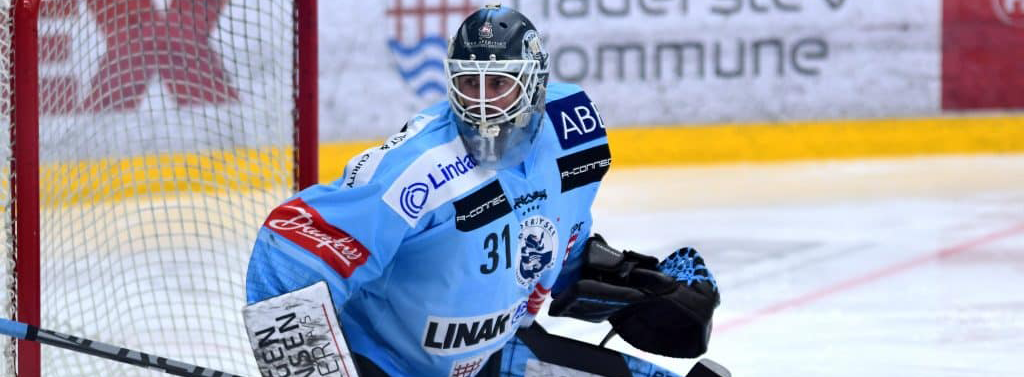
The faster the sport, the more critical your visual skills become. In hockey and lacrosse, the puck or ball moves at incredible speeds, and players must handle it while navigating a chaotic environment. Vision training helps if you get distracted, play inconsistently, or have slow reaction times. By forcing you to rely on proper head movement instead of peripheral shortcuts, you learn to keep your head up, anticipate plays, and maintain control. This training is also incredibly effective in combat sports like boxing, where tracking an opponent's movements and reacting defensively is paramount. The goal is to make sharp, efficient visual processing an instinct, giving you a competitive advantage in your sport.
Common Myths About Vision Blocking Goggles, Debunked
Whenever a new piece of training equipment comes along, it’s smart to ask questions. You want to know if it’s safe, effective, and worth your time. Let’s clear the air and tackle some of the most common myths about peripheral vision blocking goggles so you can feel confident adding them to your training routine.
Myth: They Can Damage Your Vision
It’s completely understandable to be protective of your eyesight. The idea of wearing something that intentionally limits your vision might sound risky at first. However, you can rest easy knowing these are training tools, not everyday eyewear. They’re meant to be worn for specific drills and short periods to challenge your visual system. According to safety experts, training goggles designed for this purpose pose no risk to your long-term vision. Think of them like any other piece of specialized gym equipment—you use them to train a specific skill, and they are built with your safety in mind.
Myth: One Size Fits All
You might think any pair of goggles that blocks your side view will do the trick, but fit is everything. A poor fit isn’t just uncomfortable; it can make the training ineffective. Goggles that are too bulky or don't sit right on your face can interfere with how the lenses are supposed to work, giving you an inconsistent training experience. The goal is to find a pair that fits securely, stays in place during dynamic movements, and provides the right amount of visual restriction. That’s why adjustable straps and ergonomic designs are so important—they ensure the goggles work as intended, so you get the full benefit of every drill.
Myth: They're Just a Gimmick
Some athletes might dismiss vision blocking goggles as another fad, but the science behind this training method is solid. This isn't just about limiting what you see; it's about rewiring your brain to be more efficient. By reducing your reliance on peripheral vision, you train yourself to make quicker head movements, improve your central focus, and process visual information faster. While conditions like peripheral vision loss are a medical concern, the principle of training your brain to adapt to a narrower field of view is a powerful tool for athletes. It builds skills that directly translate to better performance on the field, court, or ice.
Ready to Try Them? Here's Where to Look
Feeling convinced that vision blocking goggles are the next step in your training? Great. Now comes the fun part: finding the right pair for you. There are a few options out there, from specialized training tools to general safety gear. Let's break down where to look and what to look for to make sure you get a piece of equipment that truly helps you reach your goals.
Start with Swivel Vision
If you’re serious about improving your athletic performance, your first stop should be a tool designed specifically for that purpose. Swivel Vision goggles are engineered to train your vision for sports by improving focus, reaction time, and accuracy. They work by blocking your peripheral vision, which forces you to turn your head and keep your eyes on the target—whether that’s a baseball, a quarterback, or the net. At $49.99 with free shipping in the USA, they’re an accessible piece of equipment. It’s no surprise that many professional coaches recommend them as a way to build better visual discipline on the field.
Other Retailers and Online Shops
As you browse online, you’ll also find plenty of general safety goggles that block peripheral vision. Many are designed for industrial use, meeting high safety standards and offering features like anti-fog lenses and a wide field of view. While these can offer a similar vision-blocking effect, remember that their primary purpose is eye protection, not athletic training. They are built to be tough and durable for worksite conditions, which is great, but they may not have the specific design or comfort needed for dynamic sports movements. It's worth knowing the difference as you compare products.
How to Get the Best Value
No matter where you shop, getting the best value means looking beyond the price tag. Focus on the features that matter for your training. For many athletes, this includes durable, high-quality lenses with anti-fog properties. In fact, market research shows that over 70% of buyers prioritize protective features like UV filters when choosing goggles. While protection is important, the best value for an athlete comes from a product that directly contributes to performance. A pair of goggles designed for sports training will always be a better investment for your goals than a generic pair meant for something else.
Related Articles
- Sports Vision Training Equipment: A Buyer's Guide – Swivel Vision
- Sports Vision Assessment: A Complete Guide – Swivel Vision, LLC
Frequently Asked Questions
How long should I use these goggles in a typical training session? Think of these goggles as a tool for specific, high-intensity drills rather than something you wear for your entire practice. A great way to start is by incorporating them into your warm-ups or for 10-15 minute intervals during drills that target a specific skill, like batting practice or dribbling exercises. The goal is quality over quantity, focusing on building muscle memory for better head and eye coordination.
Will this training negatively affect my natural peripheral vision? This is a common and very smart question. The answer is no. Using these goggles won't harm your peripheral vision. They are a training aid designed to be used for short periods to challenge your brain and strengthen the connection between your eyes and your head movements. When you take them off, your full field of vision returns, but you're left with sharper focus and more intentional tracking habits.
What's the main difference between Swivel Vision goggles and regular safety goggles that block side vision? While some industrial safety goggles might look similar, they are built for a completely different purpose. Swivel Vision goggles are designed specifically for the demands of athletic training, with a focus on a secure, comfortable fit that stays in place during explosive movements. They also prioritize high-quality, anti-fog lenses to ensure your vision remains clear when you're working hard, which is something not all safety goggles can guarantee.
How will I know if the training is working? You'll likely feel the difference before you even see it in your stats. Athletes often report feeling more "locked in" on the ball or their target. You might notice that you're keeping your head up more instinctively during gameplay or that the game seems to slow down a bit because your brain is processing visual information more efficiently. These are the signs that your training is building better habits that translate directly to your performance.
Can I wear them with other equipment like a helmet or glasses? Most vision blocking goggles, including Swivel Vision, are designed with a streamlined frame and an adjustable strap to fit comfortably under helmets for sports like baseball, softball, or lacrosse. If you wear prescription glasses, you'll want to check the specific dimensions of the goggles to ensure they can fit over your frames without being uncomfortable or compromising the fit.
0 comments